Cars, Friends, and CabotFest
Started out this morning meeting up with some friends just a few minutes from the
There’s a lot of history in hot rodding—more than most folks realize. From its roots in the 1920s to the fuel-injected tech of today, hot rodding has evolved into something much more than just building fast cars. It’s a culture, a community, and a lifestyle.
Here’s my take on how it all started, where it’s been, and where it’s going.
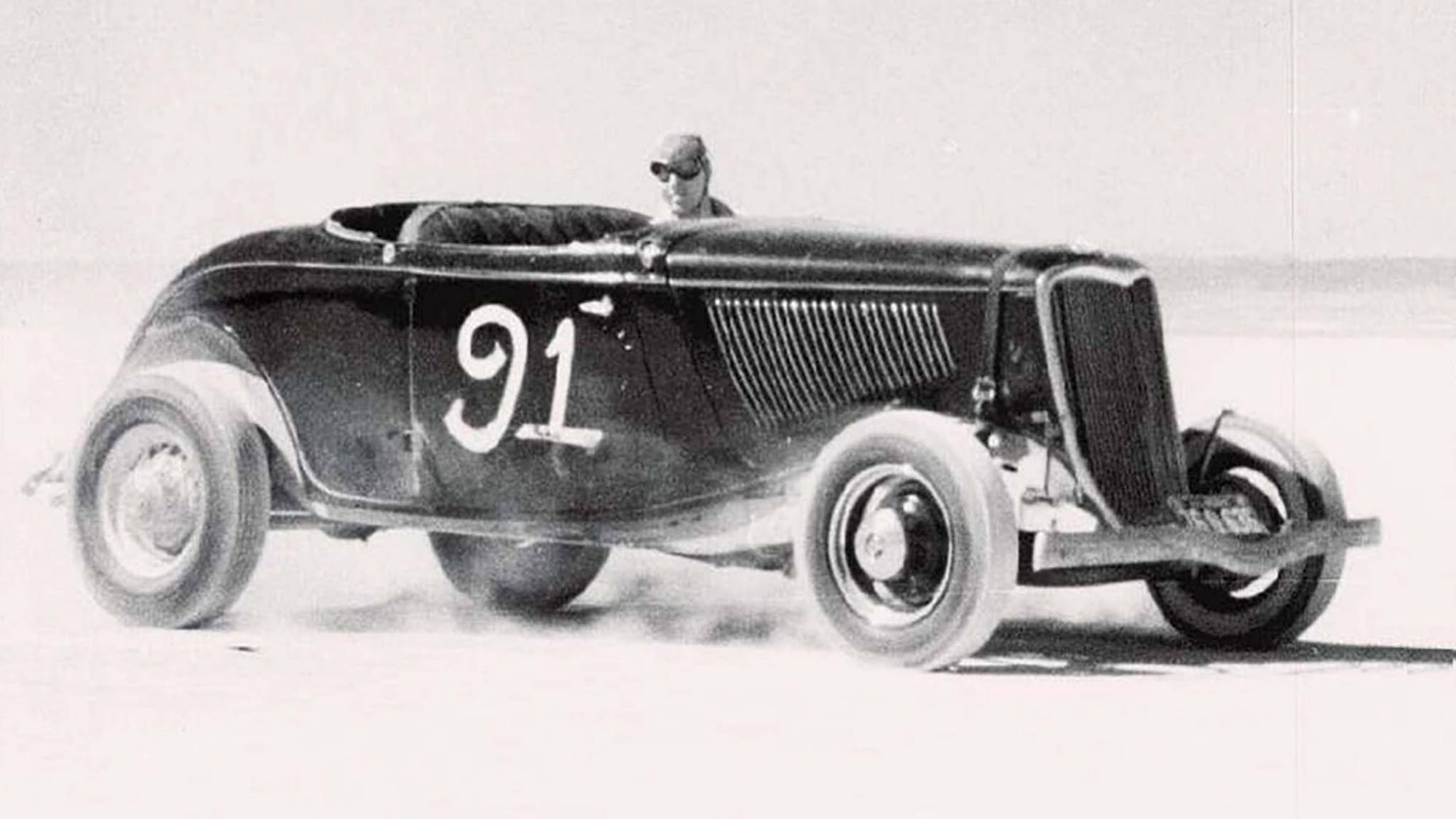
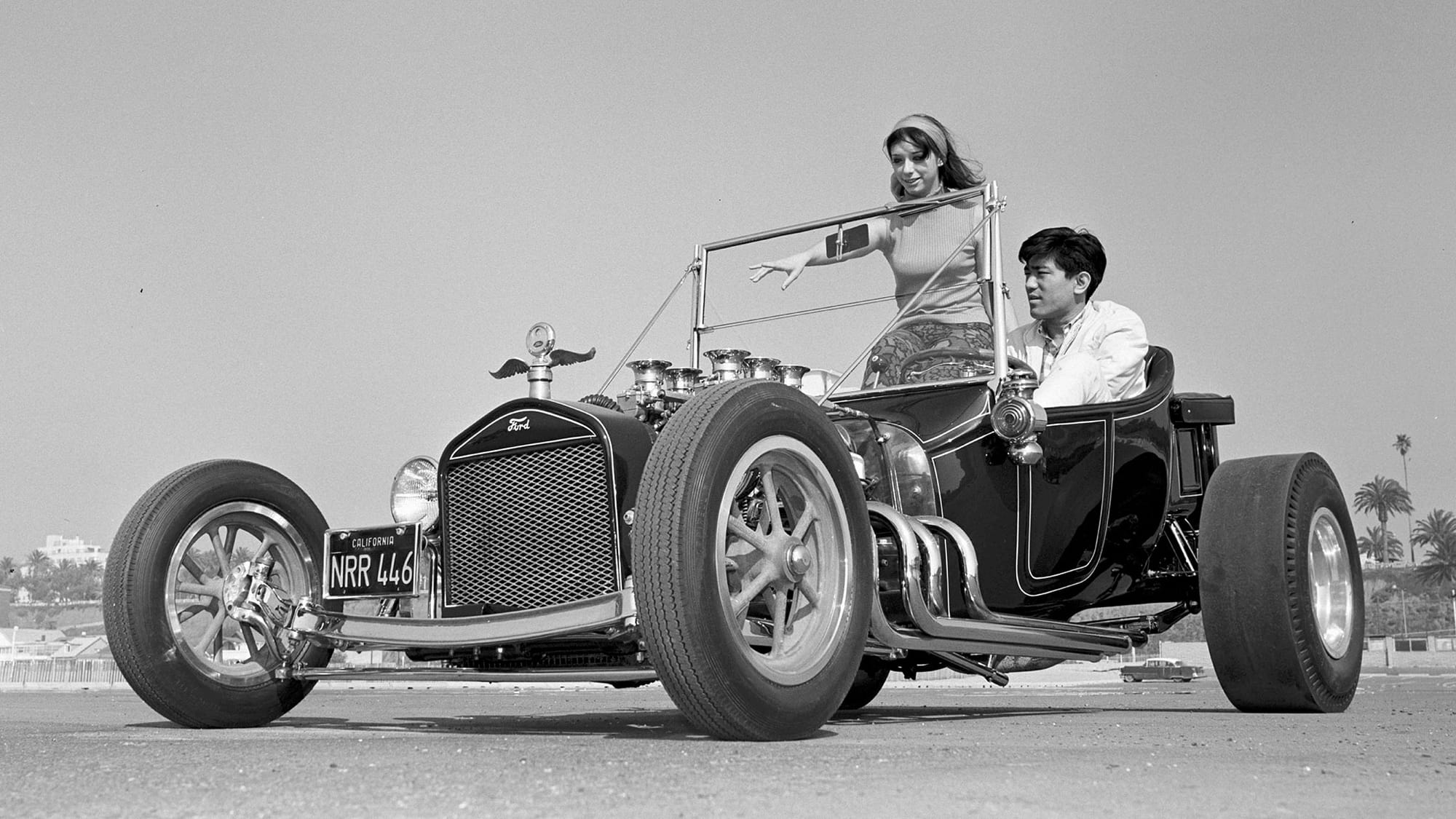
Hot rodding began taking shape in Southern California during the 1930s. Back then, guys were buying up cheap Model T's and Model A's—mostly roadsters—and stripping them down for one reason: speed. Weight was removed, parts were swapped, and powertrains were tuned. One of the biggest upgrades? Dropping in a Ford Flathead V8, a game changer for performance.
Soon, speed junkies took to the wide-open spaces of Mojave and Bonneville, where the dry lake beds gave them the room to let it rip. In 1937, the Southern California Timing Association (SCTA) was formed to bring some organization—and safety—to the growing scene.
Of course, all of this was put on pause when World War II began. Most of the guys behind the wheel traded in their hot rods for military service, and with fuel and materials being rationed, the hobby took a backseat.
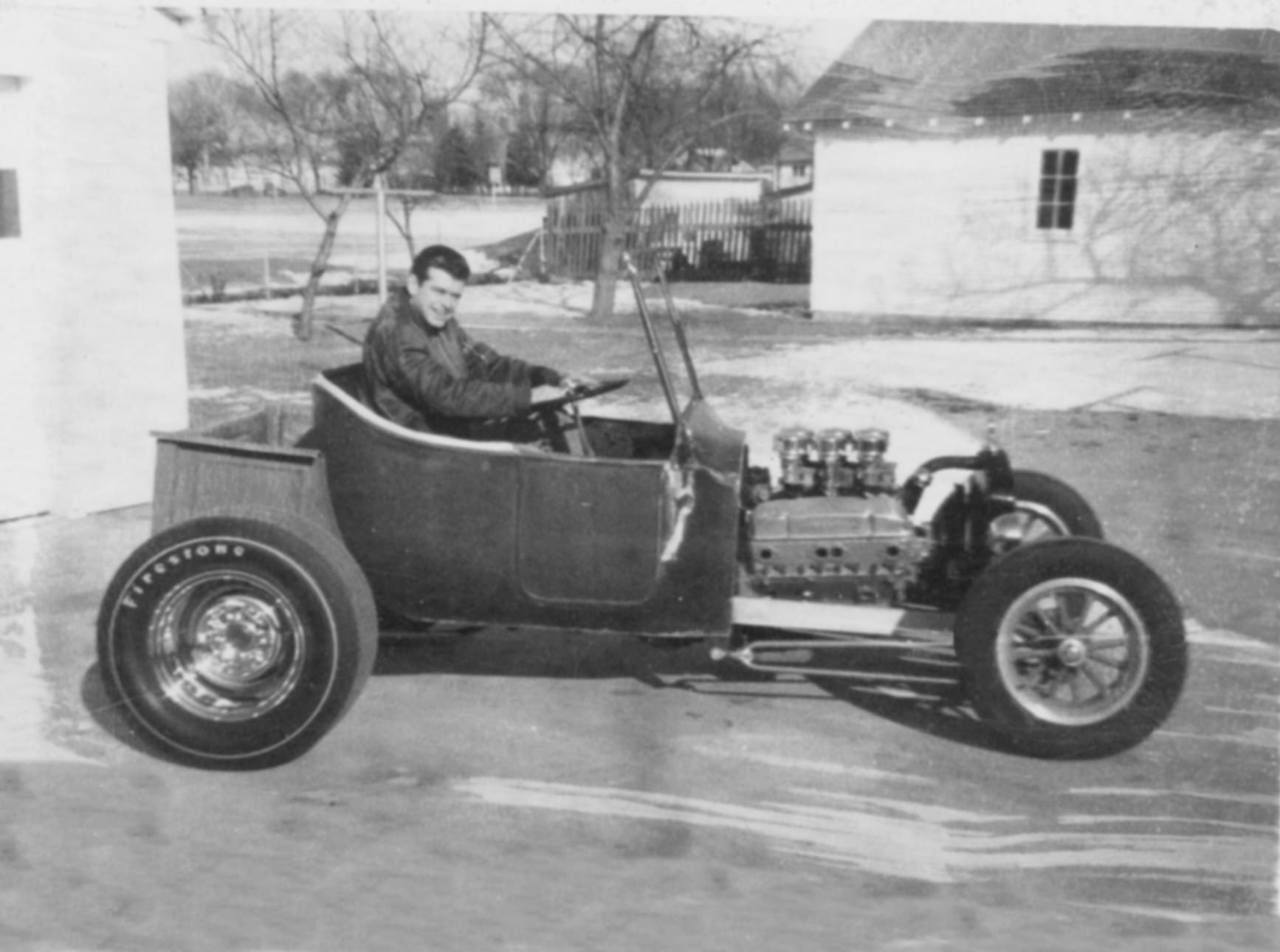
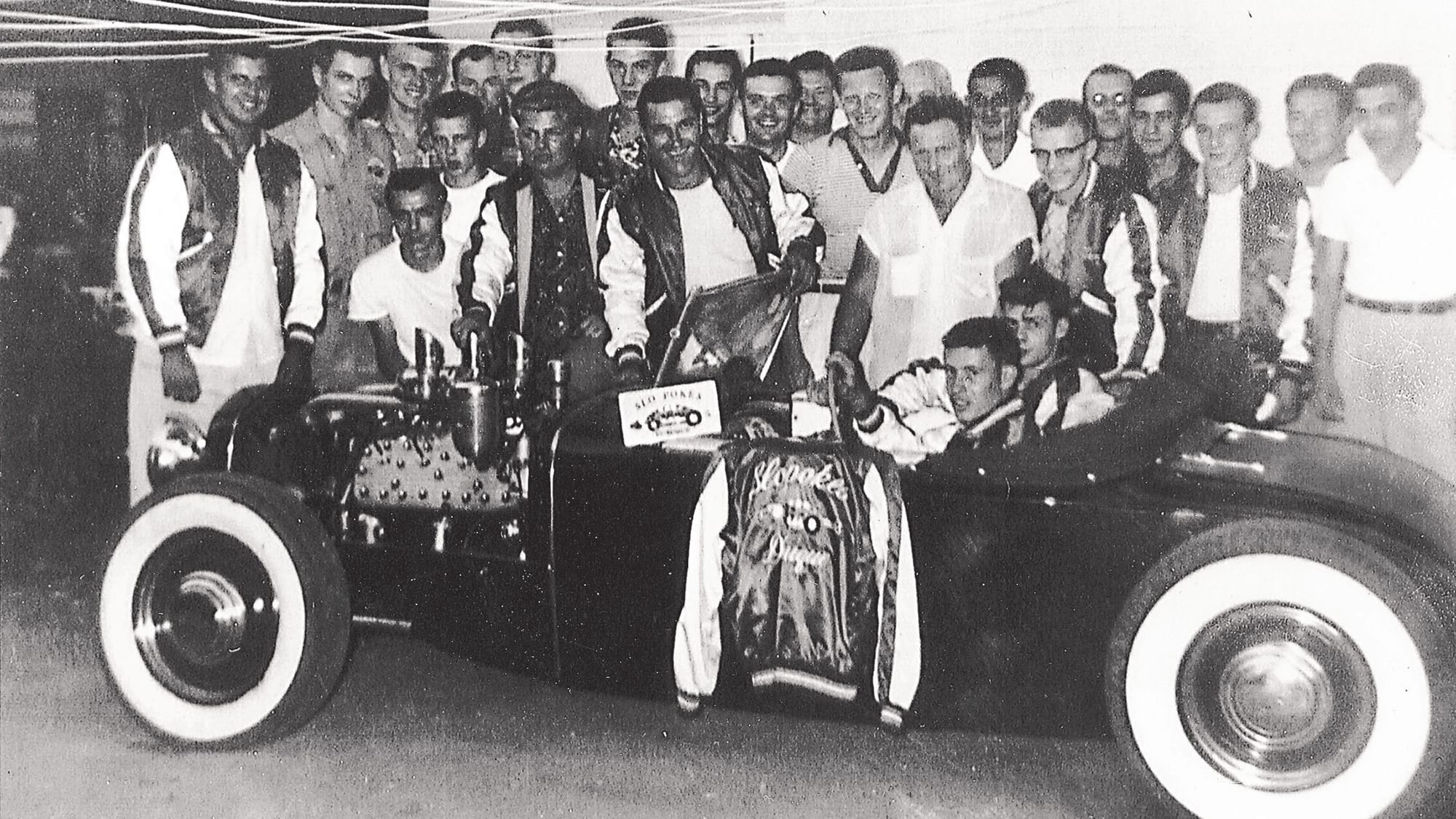
When the war ended, hot rodding came roaring back. Veterans returned with mechanical skills honed during their service and a hunger to go fast. Southern California was the hotbed, thanks to good weather and a car culture already in motion.
Abandoned airstrips provided the perfect setting for the new wave of organized racing—safer, faster, and legal. On July 2, 1950, the first organized drag race was held at what became the legendary Santa Ana Dragway.
It was also during this period that Hot Rod Magazine stepped in to legitimize the scene even further. The magazine helped launch the National Hot Rod Association (NHRA), which moved drag racing off the streets and into safe, sanctioned environments with official rules and safety standards.
The ‘50s also gave rise to the custom culture—aftermarket parts, flashy paint jobs, body modifications, and an increasing focus not just on speed, but style.
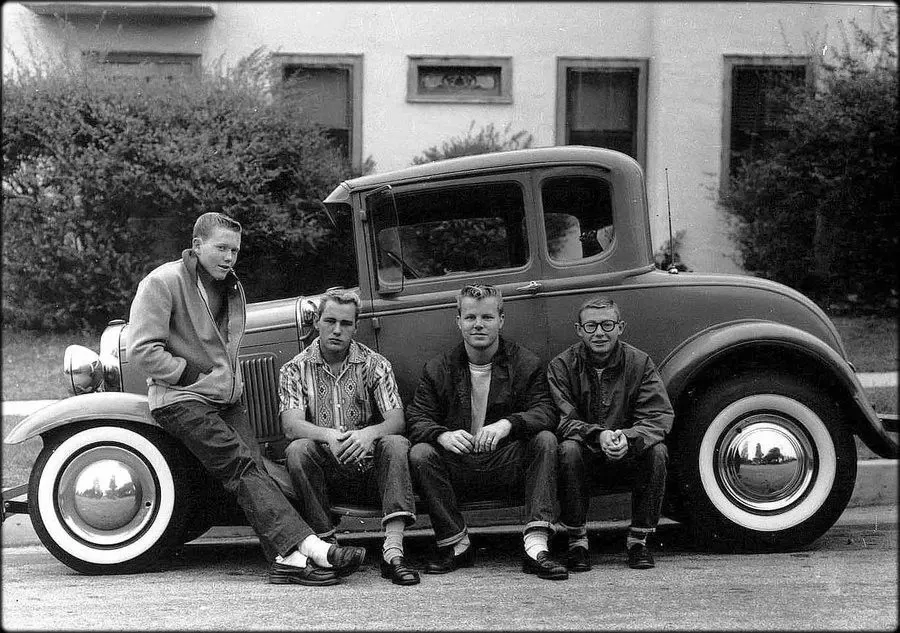
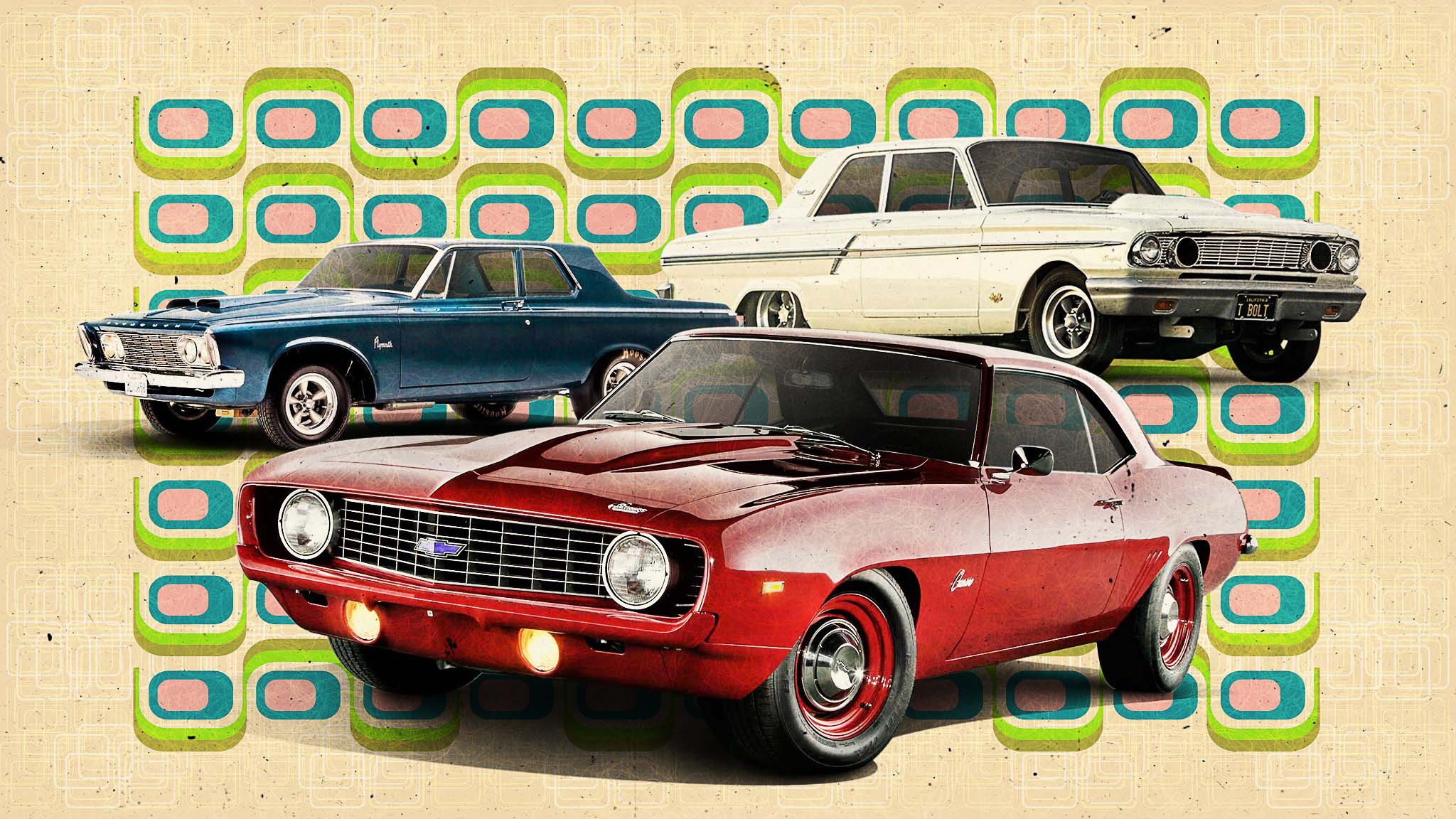
The early 1960s saw the rise of the street rod—pre-1949 cars rebuilt for comfort, reliability, and style. About the same time, the Big Three automakers started rolling out what we now call muscle cars—Camaros, Chevelles, Chargers, and Mustangs—making factory speed accessible to the masses.
Then came 1970, and the formation of the National Street Rod Association (NSRA). The NSRA played a huge role in growing the community. They built the foundation for large-scale, family-friendly events and promoted safety on the road with their Safety Inspection Program, which I proudly support to this day.
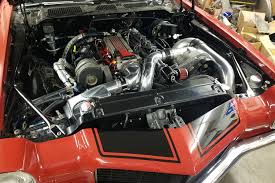
Engine swaps also evolved. In the '60s, the Chrysler Hemi started showing up. By the '70s and '80s, the Small Block Chevy became king. These days, you’re likely to see LS-swaps with modern fuel injection systems replacing carburetors, or even aftermarket fuel injection setups breathing new life into older engines.
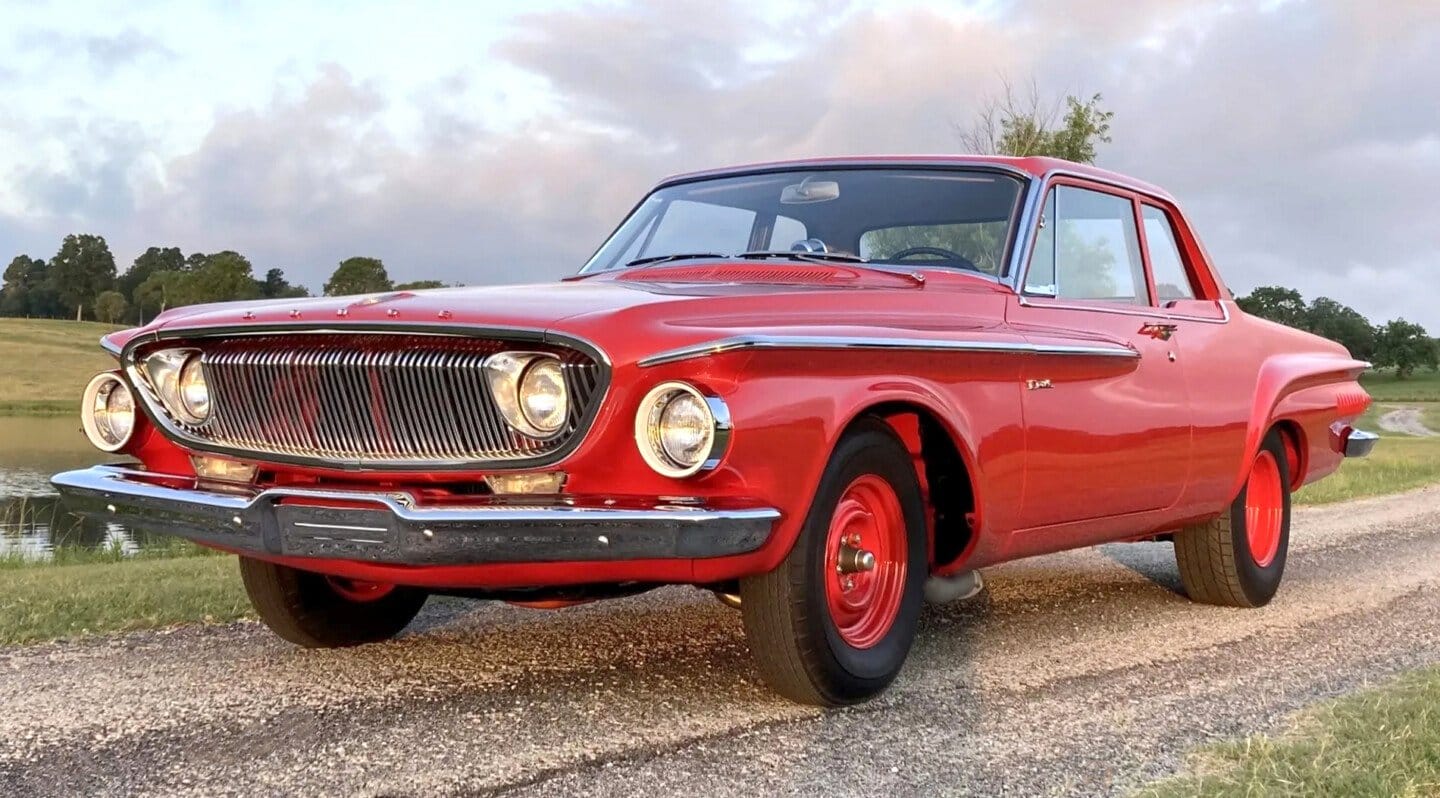
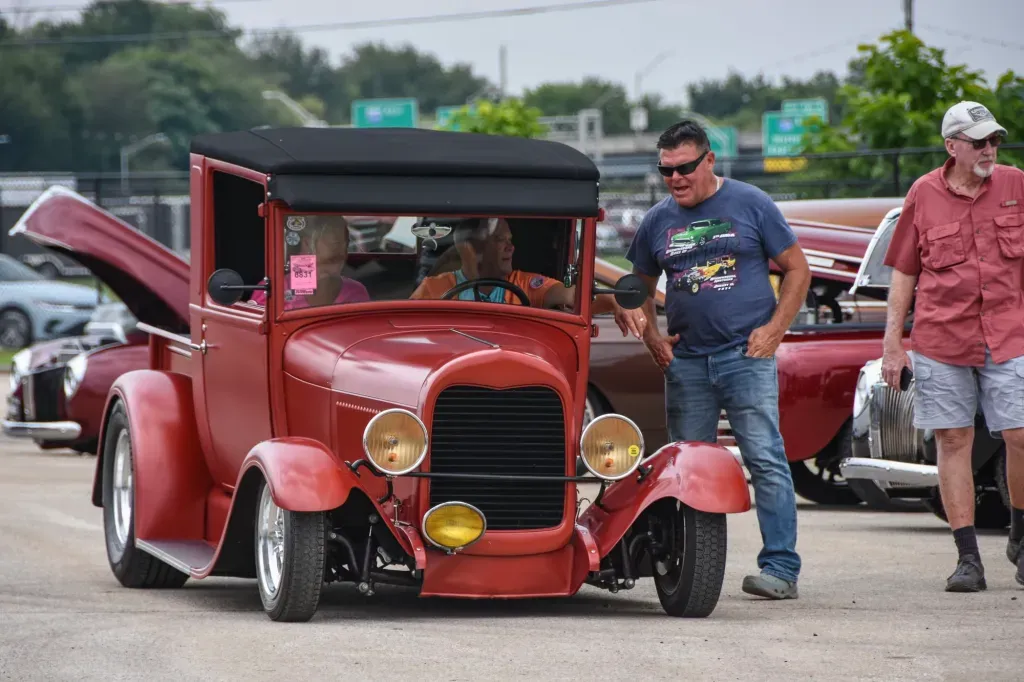
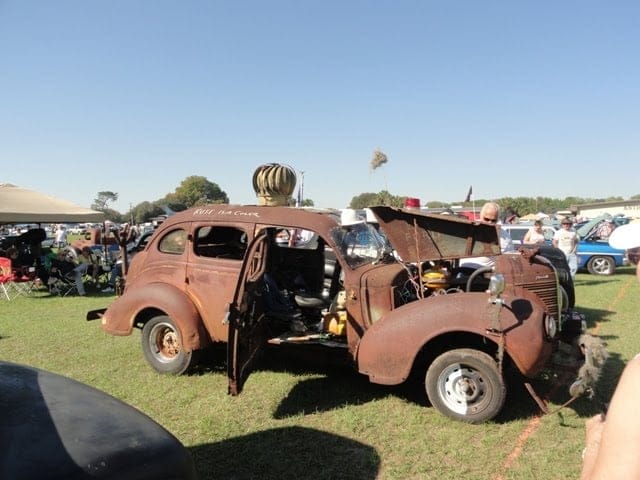
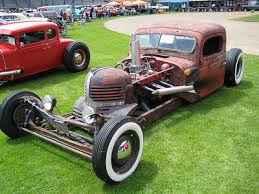
In the 1990s, the Rat Rod movement took hold—cars that were raw, gritty, and carried the scars of time. The point wasn’t polish or perfection; it was attitude. Rat rods brought a rebellious streak back into the scene and reminded everyone that not every car had to be shiny to be cool.
Today, hot rodding is still alive and well. The vehicles may look different, but the spirit is the same. Whether it’s a custom '32 Ford or an LS-powered C10, if it’s built with heart and hustle—it’s a hot rod.
Modern hot rods often include things we never imagined back in the day—air conditioning, heated seats, fuel injection, sound systems, and yes… cup holders. We’ve come a long way from junkyard builds and salvaged parts. Now, you can buy an entire car piece by piece—from the body to the drivetrain.
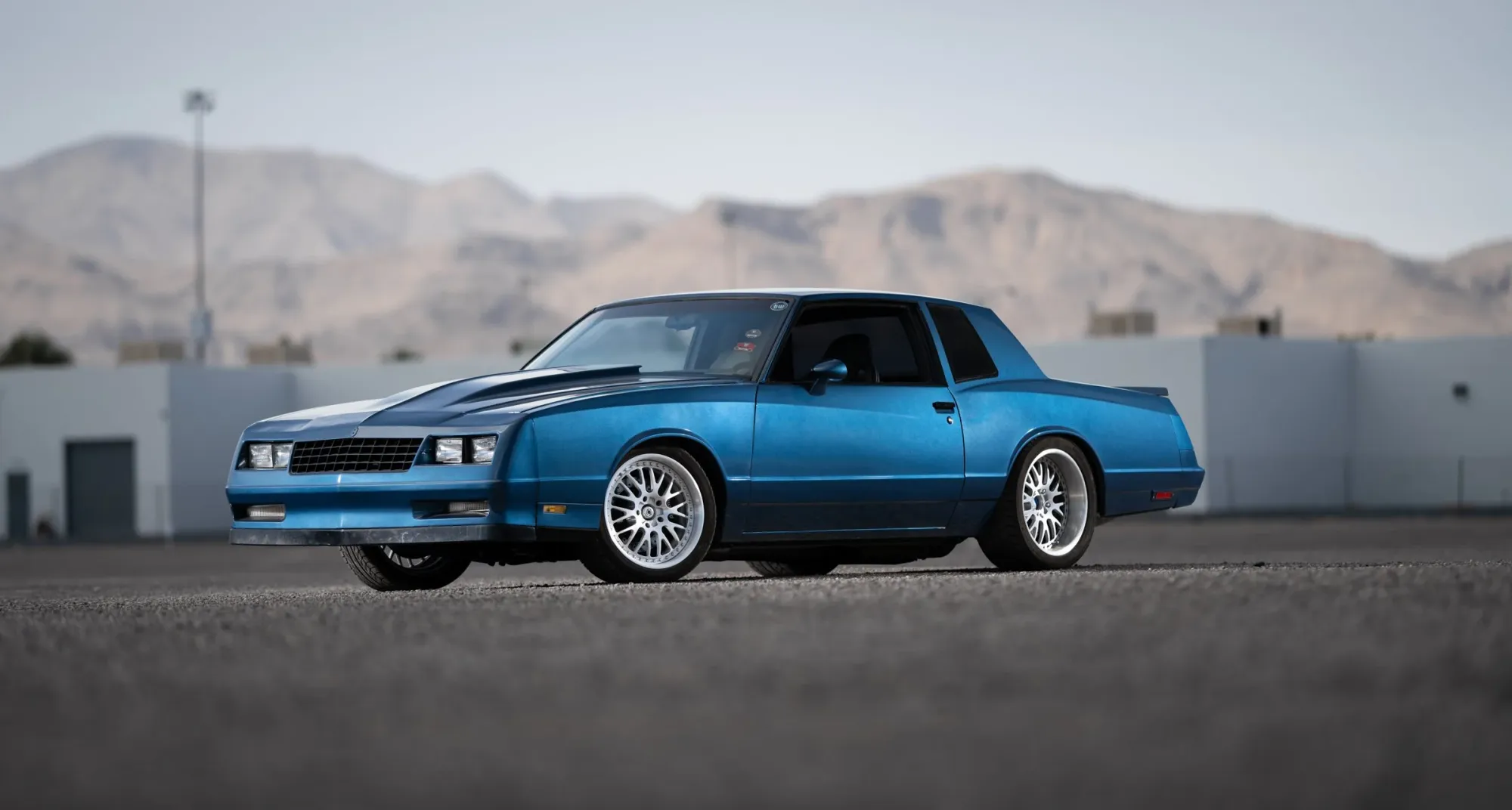
Hot rodding has evolved from a post-Depression pastime into a full-blown industry—and a deeply personal hobby. These days, the builds are as unique as the people behind them. You might not care for my ride, and I might not get yours—but that’s the beauty of it. We build them to suit ourselves, not to win approval.
So the next time you see someone working on a build or showing it off at a show, remember: there’s history, passion, and personality in every bolt.
Respect the build. Support the hobby. And above all—Keep Kruzn.